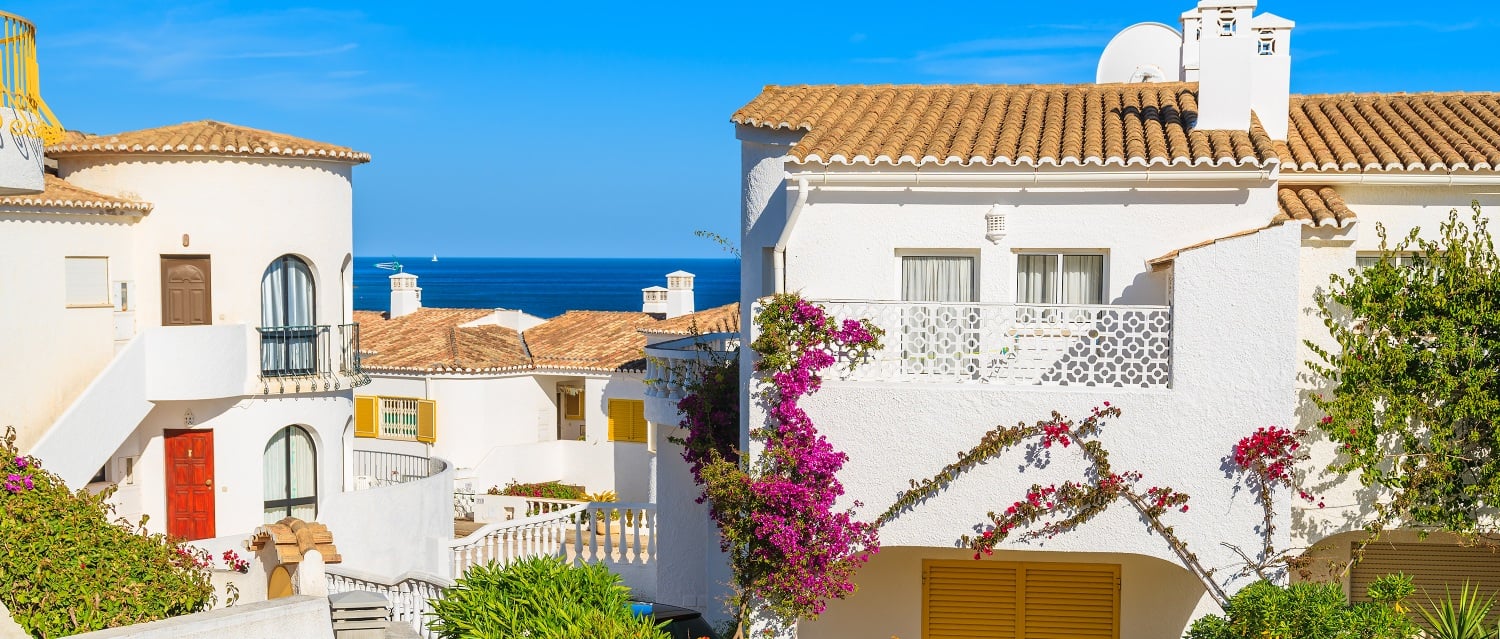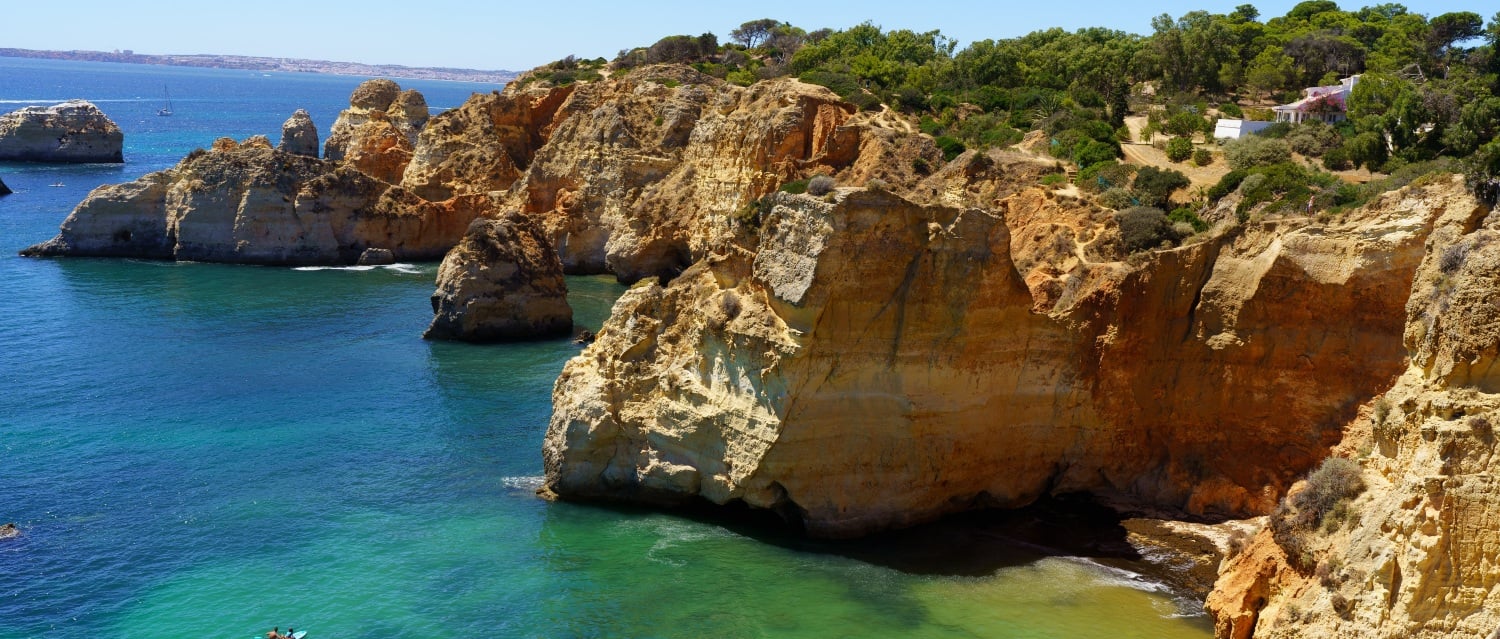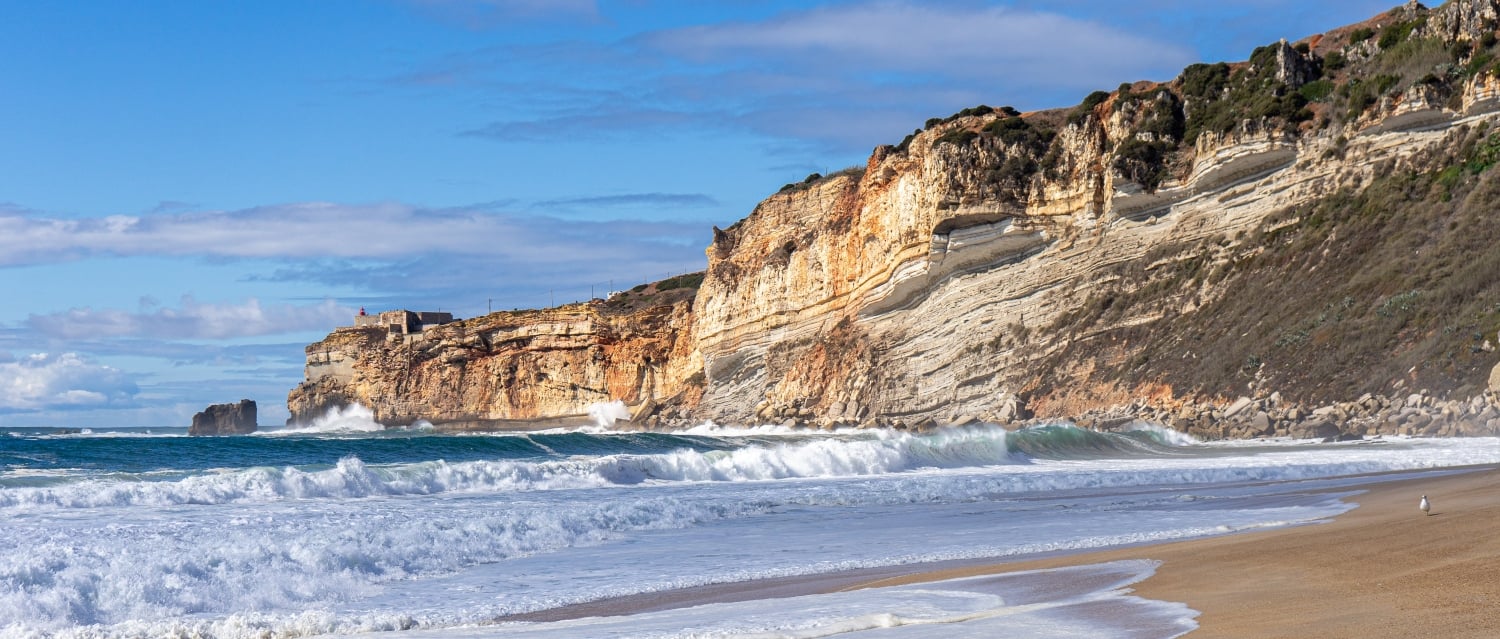

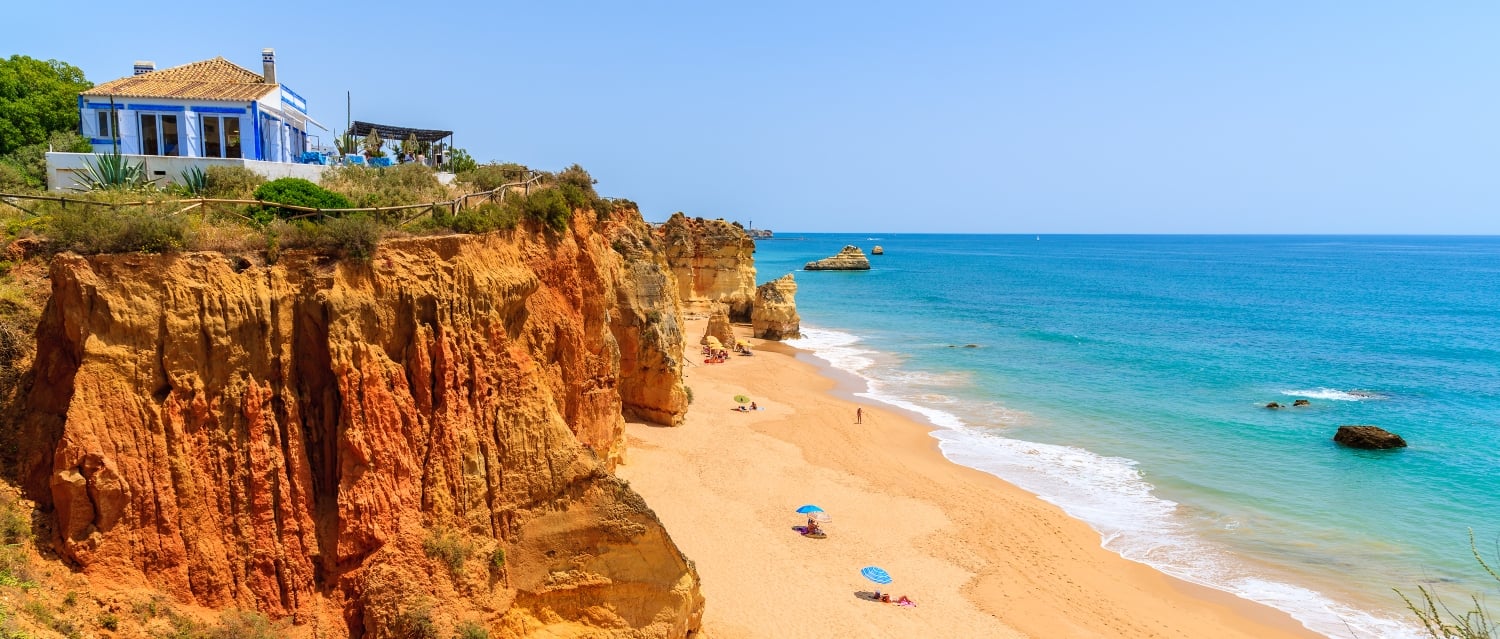


A Portugal viewing trip is the point where online searching becomes real. You start to understand not just what a property looks like, but how the road feels, where the nearest shops are, how much sun the terrace gets and whether the location still works outside the brochure version.
But it’s also easy to lose time. Portugal’s main search areas – the Algarve, Lisbon region, Silver Coast, Porto and the islands – all need different itineraries, so the best trips are planned around micro-locations rather than a long list of homes.
A Portugal viewing trip is a dedicated three to seven-day visit to view homes, compare locations and complete early due diligence before making an offer. It suits holiday-home buyers, relocators, retirees and investors. The main caveat is that Portugal’s regions are spread out, so your route matters. Prioritise one or two clusters, meet a lawyer early and check documents before you fall for a view.
Contents
- What is a Portugal viewing trip?
- Choose the right Portugal viewing trip itinerary
- Best time to plan a Portugal viewing trip
- Entry checks in 2026: EES, ETIAS and the 90-day rule
- Who to meet before and during your trip
- Your pre-flight Portugal viewing trip checklist
- What documents should you ask for?
- Questions to ask at each viewing
- How many properties should you view each day?
- Sample Portugal viewing trip itineraries
- Planning transport, car hire and tolls
- Portugal property red flags to watch for
- What should I do next?
- Summary
- Frequently asked questions
- Sources
What is a Portugal viewing trip?
A Portugal viewing trip is a focused visit to view properties, compare areas and meet professionals before making a formal commitment. It is not quite a holiday, although you should still enjoy it. The main aim is to come home with clearer answers than you had when you arrived.
If you’re still working out the wider purchase journey, read our guide to how to buy property in Portugal before booking flights. It gives you the broader sequence so your viewing trip sits in the right place.
In our experience, the most useful Portugal viewing trips answer four questions:
- Does this exact location work for the way you plan to use the home?
- Are the access, parking, noise, slope, drainage and services acceptable in person?
- Is the property legally clean enough to justify spending money on surveys and negotiation?
- Does the area fit your real use case: relocation, retirement, part-time living, rental use, renovation or long-term family ownership?
A Portugal viewing trip is as much about validating locations and paperwork as it is about viewing homes. That matters because a house that looks right online can feel very different when you test the drive, check the neighbouring land, ask about utilities and review the first documents with a lawyer.
Choose the right Portugal viewing trip itinerary
The biggest mistake is trying to see “Portugal” in one trip. You’ll learn more from three well-planned days in the right search area than from a week spent driving between unrelated regions.
If you need help narrowing the country first, start with our guide to where to buy property in Portugal. It will help you decide whether you are really comparing regions, lifestyles or property types.
| Search focus | Best trip base | How to structure it | Watch-outs |
|---|---|---|---|
| Lisbon region | Lisbon, Cascais, Estoril or south-bank base | Compare city apartments, commuter towns and coastal options in tight daily clusters | Don’t treat “Lisbon” as one market. Neighbourhood, parking and access can change the buying decision quickly |
| Algarve | Faro, Tavira, Albufeira, Lagos or west/central/east base | Split the region into west, central and east Algarve rather than criss-crossing the coast each day | Summer traffic, parking and agent availability need more planning |
| Silver Coast | Óbidos, Caldas da Rainha, Peniche, Nazaré or nearby base | Use a car-led plan to compare Atlantic towns, inland villages and practical year-round services | Distances can look short on a map but take longer once you include viewings and local roads |
| Porto and the North | Porto, Braga, Guimarães or a second rural base | Combine city viewings with one focused countryside or Douro day if that’s central to your search | Don’t overpack Porto, Minho and the Douro into one short trip |
| Madeira | Funchal or nearby base | Use a base-and-spoke plan to compare slopes, access, microclimates and local services | Island markets work differently from mainland Portugal. Treat it as its own search, not an add-on |
| Azores | Ponta Delgada for a first São Miguel trip | Focus on one island first, then return for deeper comparisons if needed | Weather, inter-island travel and supply can affect both viewings and long-term ownership |
If you are still deciding between regions, start with the one that best fits your practical needs. Lisbon works well if you need year-round services, hospitals, international schools or public transport. For a more detailed city-base search, our guide to buying property in Lisbon is a useful next read.
The Algarve suits many second-home and retirement searches. If that’s your target, read our guide to buying property in the Algarve before you split your trip between west, central and east.
The Silver Coast often appeals to buyers who want Atlantic towns and more space without Lisbon density. Our Silver Coast property guide explains the area in more depth.
Porto and the North can suit buyers looking for city access with a different pace and price profile from Lisbon. Our guide to buying property in Porto is a good starting point if the north is on your shortlist.
Madeira and the Azores are best treated as separate decisions. Many buyers love the idea of island ownership, but it needs honest testing: flights, healthcare access, delivery costs, property supply, terrain and how often you’ll realistically travel back and forth. For Madeira, read our guide to buying property in Madeira before making it part of a wider mainland trip.
Best time to plan a Portugal viewing trip

For mainland Portugal, April to June and September to October are usually the most practical viewing windows. Weather is often manageable, accommodation is easier than in peak summer and agents are generally active.
July and August can still work, especially if you are buying for holiday use and want to see the area at its busiest. But you’ll need earlier starts, more advance booking and a realistic plan for traffic, heat and packed diaries.
Rural and inland searches need an extra layer of caution in hotter months. Ask about water supply, fire exposure, access roads, shaded parking and how the home performs during long hot spells. For country properties, the viewing should include the land, boundaries, outbuildings, driveways and any water or drainage infrastructure, not just the house.
If you are considering an inland or renovation purchase, it’s worth reading our guide to renovating your home in Portugal before the trip. It will help you spot the difference between a manageable project and one that needs specialist advice before you offer.
Madeira is easier to consider across the year, although slope, aspect and microclimate still matter. The Azores need more weather flexibility. Build in space for travel disruption and avoid planning a trip so tightly that one delayed crossing or poor-weather day derails the whole shortlist.
Entry checks in 2026: EES, ETIAS and the 90-day rule
UK citizens can visit Portugal and other Schengen countries visa-free for 90 days in any rolling 180-day period. That limit covers all Schengen travel combined, not just time in Portugal.
Before you travel, check your passport meets Schengen rules. It should normally have been issued less than ten years before you enter the Schengen Area and be valid for at least three months after the day you plan to leave.
The EU’s Entry/Exit System (EES) is now being implemented across the Schengen Area. It replaces manual passport stamping with a digital record, and some travellers may need to provide fingerprints and a facial image at the border. Allow extra time at airports, especially if this is your first Schengen entry after EES registration began.
The European Travel Information and Authorisation System (ETIAS) is separate. It is expected from autumn 2026 but is not required until it officially launches. When introduced, UK citizens and other visa-exempt non-EU travellers are expected to apply online before travel and pay a €20 (£17) fee. Use official sources only, as fraudulent ETIAS websites have already appeared.
If you’re planning longer stays, read our guide to visa and residency options for non-residents in Portugal before you book a long viewing trip. Property ownership and residence rights are separate issues, so it is worth checking the rules early.
If you are not travelling on a UK passport, check the rules for your nationality before booking. Border rules, healthcare access and residency routes vary.
Download the Viewing Trip Guide
Who to meet before and during your trip
A good viewing trip is not only about agents and properties. The professionals you meet can save you from wasting money on the wrong home, the wrong area or a property with unresolved paperwork.
1. A local agent who understands your target area
Brief the agent before you fly. Share your budget, timescale, preferred property type, must-haves, deal-breakers and how you intend to use the home.
A good brief is specific. Instead of saying “near the coast”, say how far you are prepared to drive, whether you need year-round restaurants, how important parking is and whether stairs or steep access are an issue.
Ask the agent to group viewings by micro-area. This helps you compare similar homes and prevents the trip becoming a long drive between unrelated listings. Our guide to finding an estate agent in Portugal explains what to ask before you rely on one person’s shortlist.
2. A Portuguese property lawyer
It is worth speaking to a Portuguese property lawyer before or during the trip, especially if you are close to making an offer. They can explain what due diligence will be needed for your shortlist and flag region-specific issues before you spend money on surveys, deposits or negotiation.
Your lawyer can help check title, registry records, planning documents, condominium papers, tax records and any mismatch between the property as advertised and the property as registered. For more on this part of the process, read our guide to the legal requirements of buying property in Portugal.
The key point is timing. A lawyer is most useful before you commit, not after you have already emotionally decided on one home.
3. A currency specialist
If your savings are in pounds and the purchase is in euros, exchange-rate movement can change your real budget. A home priced at €350,000 can become materially more or less expensive in sterling between offer and completion.
Speaking to Smart Currency Exchange before or during your trip can help you understand your euro budget and plan how you might protect it. Many overseas buyers use a forward contract after an offer is accepted to lock in an exchange rate for a future completion date.
This is not about predicting the market. It is about making sure your viewing shortlist matches the money you will actually need to send.
4. A surveyor, engineer or technical inspector
Not every buyer orders a technical inspection before offering, but many do once they have a serious shortlist. This is especially sensible for older villas, renovation projects, rural homes, properties with retaining walls, homes with pools, or anything with visible cracking, damp, drainage concerns or altered layouts.
For a fuller breakdown, read our guide to getting a property survey in Portugal. It will help you understand where a survey fits into the offer and legal-check process.
For apartments, ask about the building rather than only the unit. Communal repairs, roof work, lifts, shared debts and reserve funds can all affect your ownership costs.
Your pre-flight Portugal viewing trip checklist
Use this checklist before you book flights:
- Choose one main region, or two closely linked clusters.
- Map every property before confirming the itinerary.
- Decide your maximum euro budget and your sterling comfort point.
- Speak to a currency specialist before travel if exchange-rate movement could affect your offer.
- Book an initial call with a Portuguese property lawyer.
- Ask serious agents for document availability before you fly.
- Decide whether you need a NIF before the trip or immediately afterwards.
- Check passport validity, EES requirements, ETIAS status and the 90-day rule.
- Confirm whether you need a hire car and how tolls will be handled.
- Keep at least one half-day free for second viewings or professional meetings.
- Prepare questions for agents, lawyers and sellers.
- Take a shared digital folder for photos, notes, maps and property documents.
This may feel more structured than a normal property search, but it makes the trip calmer. You can still be open-minded on the ground without letting the schedule run away from you.
Before you go, it’s worth reading about the costs of buying property in Portugal. That gives you a clearer sense of what needs to sit outside the asking price before you start comparing homes.
What documents should you ask for?
The document pack does not need to be complete for every casual viewing. But once a property becomes a serious contender, ask early. If documents are slow to appear, unclear or inconsistent, that is useful information in itself.
| Document or check | Why it matters | What to ask |
|---|---|---|
| NIF, or Portuguese tax number | You may need it for contracts, banking and later ownership steps | Should I apply before travel, or only once I am ready to offer? |
| Land-registry certificate | Shows the legal status of the property, ownership and registered matters | Can my lawyer review the current certificate or access code? |
| IMI property record | Helps confirm the tax article, registered details and taxable value | Does the record match the property being sold? |
| Energy certificate | Gives the energy rating and improvement recommendations | Can I see the certificate number and full report? |
| Habitation licence and planning documents | Helps confirm legal use and whether the built property matches approved plans | Have extensions, pools, annexes or conversions been approved? |
| Condominium papers | Important for apartments and shared developments | What are the fees, debts, reserve funds and planned works? |
| Utility and infrastructure evidence | Essential for rural homes and renovation projects | Is there mains water, sewage, electricity, broadband and legal access? |
| Boundary and access information | Particularly important for land, villas and rural homes | Are the boundaries, driveways and rights of way clear? |
For older homes, rural properties and renovation projects, ask your lawyer whether an engineer, architect or surveyor should review the documents before you commit.
If the early paperwork raises concerns, read our guide to the potential pitfalls of buying a property in Portugal before deciding whether to continue. Some issues are solvable, but others can change your budget or timeline.
Questions to ask at each viewing
A viewing should test the property as a place to live, maintain, rent or resell. Photos will not tell you enough.
Location and access
Ask how long it takes to reach the nearest supermarket, pharmacy, doctor, hospital, beach, train station or airport in normal conditions. Then test the route yourself if the property is serious.
Check parking, turning space, road width, steep access and whether the road is comfortable after dark. For rural homes, ask if access is public, private or shared.
If transport is part of the buying decision, read our guide to travel and transport in Portugal before you finalise the route. It is especially useful if you are weighing public transport against car-dependent locations.
Condition and maintenance
Look for damp smells, cracking, roof condition, drainage around the plot, window quality, shading, shutters, insulation and signs of overheating. In Portugal, homes that feel pleasant in spring can perform differently in August or January.
If there is a pool, ask about age, maintenance costs, filtration, legal status and recent repairs.
Running costs
Ask about annual IMI property tax, condominium charges, pool maintenance, garden maintenance, insurance, heating, cooling, water, electricity and internet. For holiday homes, ask who can manage keys, cleaning, emergencies and repairs when you are not there.
For a more detailed ownership budget, read our guide to annual running costs of owning property in Portugal. It will help you separate purchase costs from the costs of keeping the home.
Legal and planning questions
Ask whether the property is fully registered, whether any works were carried out without approval and whether the physical layout matches official records. For apartments, ask whether the seller is up to date on condominium payments.
Do not rely on verbal reassurance alone. Treat the answers as prompts for your lawyer to verify. If you are likely to offer during or soon after the trip, read our guide to making an offer on a property in Portugal first.
Seasonality and local life
Ask what the area is like in winter and peak summer. Is there aircraft noise, road noise, tourist pressure, nearby building work, local events, hunting activity, agricultural machinery or bar noise?
For rental-focused buyers, ask about local rental rules, demand patterns and licensing requirements before building income into your budget. Our guide to short-term rental rules in Portugal explains why this needs checking before you rely on rental income.
How many properties should you view each day?
Seeing too many homes in one day usually weakens the trip. By the fifth rushed viewing, details start to blur and important questions get missed.
| Property type | Sensible daily viewing load | Why |
|---|---|---|
| Urban apartments or ready-to-use homes | 3 to 5 per day | Easier to compare when travel times are short and paperwork is straightforward |
| Villas, rural homes or renovation projects | 2 to 3 per day | You need more time for land, access, utilities, boundaries and condition |
| Serious second viewings | 1 to 2 per day | These should include deeper questions, document follow-up and time to think |
Allow 60 to 90 minutes for a standard viewing, and 90 to 150 minutes for rural homes, renovation properties or homes with land. Add travel, parking, note-taking and breaks. It is better to see four homes properly than eight homes badly.
After each viewing, record your first reaction before moving on. A simple scoring system helps: location, access, condition, documents, cost, resale potential and personal fit.
If you are unsure what type of home will suit you, read our guide to the types of property to buy in Portugal. It can help you compare apartments, villas, townhouses, rural homes and renovation options before the trip.
Sample Portugal viewing trip itineraries

Three-day single-region sprint
This works if you already know the area and are close to buying.
| Day | Focus |
|---|---|
| Day one | Arrive, drive the target micro-areas, meet agent, complete two light viewings |
| Day two | Full viewing day in one tight cluster, then evening notes and shortlist scoring |
| Day three | Second viewing of top one or two properties, lawyer call, document requests and departure |
Five-day two-cluster trip
This suits buyers comparing two areas in one region, such as west Algarve versus central Algarve, or Silver Coast coast versus inland towns.
| Day | Focus |
|---|---|
| Day one | Arrive, local orientation and first agent meeting |
| Days two to three | Viewings in cluster A, with notes after each property |
| Day four | Transfer to cluster B and complete focused viewings |
| Day five | Revisit strongest property, speak to lawyer or currency specialist, agree next steps |
If the Algarve is your main focus, pair this with our guide to home hunting in the Algarve. It helps you decide whether west, central or east Algarve fits your plans.
Seven-day comparison trip
This is useful if you are comparing broader choices, such as Lisbon region versus Silver Coast, or Porto versus the North.
| Day | Focus |
|---|---|
| Days one to two | Region A: orientation, viewings and local-service checks |
| Days three to four | Region B: viewings, access tests and practical comparisons |
| Day five | Return to the stronger micro-location or revisit top contenders |
| Day six | Legal, technical and financial follow-up |
| Day seven | Reserve day for a final second viewing or travel disruption |
A reserve day is not wasted time. It often becomes the most valuable day of the trip because it gives you room to revisit the best option with clearer eyes.
Planning transport, car hire and tolls

Public transport can work well for a Lisbon or Porto apartment search. You can use metro, trains, taxis and walking to compare neighbourhoods without worrying about parking.
For the Algarve, Silver Coast, rural homes, renovation projects and most village searches, a car is usually more practical. You need to test roads, travel times, parking and access for yourself.
Portugal has both traditional toll roads and fully electronic toll roads. If you hire a car, ask the rental company exactly how tolls are charged and whether an electronic device is included. If you drive a foreign-plated vehicle, you need to use one of the accepted toll-payment systems for electronic routes.
Build tolls, parking and fuel into your viewing budget. They are not usually the largest costs, but they can add friction if you have several motorway days in a short trip.
If you are planning to move later, not just buy, our guide to moving to Portugal gives a broader view of the practical steps after the property search.
Portugal property red flags to watch for
No single issue should automatically end a purchase, but these points deserve closer checking.
The layout does not match the paperwork: If the property has an extra bedroom, enclosed terrace, converted garage, pool, annex or outbuilding, ask whether it appears in the approved plans and registered documents.
Damp, drainage or poor ventilation: Look at basements, ground-floor corners, rooflines, bathrooms and shaded walls. A freshly painted room is not a problem in itself, but it is worth asking what was repaired and why.
Difficult access: A steep approach, narrow lane, shared driveway or limited parking may be fine for a holiday home but frustrating for permanent living. Test it in the type of car you expect to use.
Rural utilities are unclear: Ask about water, sewage, septic systems, boreholes, electricity capacity, waste collection, internet and mobile signal. Our guide to getting utilities connected in Portugal explains the practical points to check before you assume setup will be straightforward.
Condominium issues: For apartments, ask about fees, planned works, building debt, noisy short-term lets, lift maintenance and roof repairs. A good apartment can still sit inside a poorly managed building.
Environmental or local-risk issues: For country homes, ask about wildfire exposure, drainage, flooding, slope stability and access during bad weather. For coastal homes, ask about erosion, planning constraints and maintenance.
The seller or agent pushes for speed before documents are available: A viewing trip can move quickly, but you should not be pressured into signing or paying before your lawyer has reviewed the essentials. A serious seller should expect proper checks.
If the trip does lead to a successful offer, our guide to completing your property purchase in Portugal explains what happens later in the transaction.
What should I do next?
If you are planning a Portugal viewing trip, start with the region rather than the property. Decide whether you are testing the Algarve, Lisbon region, Silver Coast, Porto and the North, Madeira or the Azores, then build your itinerary around that decision.
You can browse property for sale in Portugal to get a feel for budgets and locations before narrowing your trip.
If you are comparing regions, our guide to Algarve versus Silver Coast can help you understand two of Portugal’s most common buyer choices.
For a deeper look at one popular area, read our Silver Coast property guide.
It is also worth reviewing buying costs before you fly. Our guide to IMT tax in Portugal explains one of the main purchase taxes buyers need to budget for.
If your viewing trip is part of a retirement plan, read our guide to how to retire to Portugal before you commit to an area. A home can work beautifully for two weeks and still need testing for healthcare, access, social life and year-round services.
When you are ready to talk through your shortlist, you can speak to an overseas property expert. For currency planning, Smart Currency Exchange can help you understand your euro budget and the options for protecting it before completion.
Looking at a move to Portugal?
Browse property listings on our portal or speak to an expert who knows the country.
Summary
A Portugal viewing trip works best when it is planned by region, not by the number of homes you can squeeze into each day.
Focus on one or two search clusters, such as the Algarve, Lisbon region, Silver Coast, Porto and the North, Madeira or the Azores.
Book useful conversations before you travel, especially with a local agent, Portuguese property lawyer and currency specialist.
Ask for key documents early once a property becomes serious, including registry, tax, energy, planning and condominium information.
Use the trip to test access, services, noise, condition, running costs and seasonality, not just the view from the terrace.
Build in time for second viewings and reflection. The best outcome is a ranked, offer-ready shortlist – not a rushed decision.
Frequently asked questions
For one focused region, three to four days can be enough if your shortlist is tight and the properties are close together. If you are comparing two clusters, allow five days. If you are deciding between larger regions, such as Lisbon and the Silver Coast, seven days gives you more room for travel, second viewings and professional meetings.
Start with the area that best matches your practical needs. Lisbon is useful for city services, transport and healthcare access. The Algarve suits many holiday-home and retirement searches. The Silver Coast often appeals to buyers wanting Atlantic towns and more space. Porto and the North suit buyers looking for city access with a different setting from Lisbon. Madeira and the Azores should be treated as separate island searches.
You do not need a NIF simply to view property. But it becomes useful once you are close to making an offer, opening a bank account, signing contracts or setting up ownership arrangements. If you are travelling with a serious intention to buy, ask your lawyer whether to apply before the trip.
For Lisbon or Porto apartment searches, public transport, taxis and walking may be enough. For the Algarve, Silver Coast, rural homes, villages and renovation properties, a hire car is usually more practical. It allows you to test roads, access, parking and travel times properly.
Yes, but it is sensible to make any offer subject to your lawyer’s checks. Ask for the key documents, confirm your euro budget, understand likely taxes and fees, and avoid signing or paying anything you do not fully understand. A good viewing trip can lead to an offer, but the legal work should still happen carefully.
EES may add time at Schengen border control because it creates a digital entry and exit record and can involve biometric registration. ETIAS is expected from autumn 2026 but is not required until it officially launches. Check official guidance before travelling and allow extra airport time, especially during busy periods.
Sources
- SCE, Sistema de Certificação Energética dos Edifícios.
- GOV.UK, Portugal entry requirements.
- GOV.UK, EU Entry/Exit System guidance.
- gov.pt, applying for a taxpayer identification number for an individual.
- Justiça.gov.pt, permanent land registry certificate.
- Casa Pronta, property transaction formalities.
- PT Tolls, toll systems and payment options for foreign vehicles.
- Visit Portugal, official Portugal travel and regional information.
- IPMA, mainland rural fire danger